


Posts Tagged ‘Estonia’
Baltic states switch to European power grid, ending Russia ties
The Baltic states of Estonia, Latvia and Lithuania completed a switch from Russia’s electricity grid to the EU’s system on Sunday, severing Soviet-era ties amid heightened security after the suspected sabotage of several subsea cables and pipelines.
Ursula von der Leyen, the president of the European Commission, hailed the move, years in the planning, as marking a new era of freedom for the region, in a speech at a ceremony in Vilnius alongside the leaders of the three countries and the Polish president.
Debated for many years, the complex switch away from the grid of their former Soviet imperial overlord gained momentum following Moscow’s annexation of Crimea in 2014 and its invasion of Ukraine in 2022.
It is designed to integrate the three Baltic states more closely with the EU and to boost the region’s energy security.
Source: Reuters
Read MoreEstonian, Latvian, and Lithuanian power systems successfully synchronised with Continental Europe

Estonia, Latvia, and Lithuania have successfully synchronised their electricity systems with the Continental Europe Synchronous Area on 9 February 2025 at 2:05 PM. This is a key milestone for the Baltic States and for Europe strengthening the energy resilience and independence across the region.
Read full announcement (external link)
Originally published on 9 Feb
Read MoreFebruary 20, 2025: The Future of Defence Technology: Revolutionising Regional Capabilities

On February 20-21 in Stockholm, Techarena 2025 will gather +12,000 business leaders, founders, investors, and decision-makers to explore and discuss global trends, emerging technologies, the startup ecosystem, and the future of industries. Ticket holders will have access to an insightful panel discussion on the future of DefenceTech. Moderated by Ms Kadri Tammai, Regional Director of NATO DIANA, the panel will feature the Minister of Economy and Industry of Estonia, Mr Erkki Keldo, Head of Strategy and Portfolio at Saab Surveillance, Mr Hampus Delin, and Deputy Chief Sales Officer at Milrem Robotics, Mr Stefan Behre.
Read full announcement (external link)
Originally published on 6 Feb
Read MoreEstonia to disconnect from the Russian-run electricity network on Saturday
Estonia and the other Baltic States will disconnect from the Russian-run electricity network on Saturday and connect to the Continental European Synchronous Area on Sunday. The main goal of connecting to the European electricity system is to make our electricity system stronger and ensure energy independence and security.
Read full announcement (external link)
Originally published on 5 Feb
Read MoreBaltic Startup Funding Report—H2 2024 update

The Baltic Startup Funding Report by Change Ventures and FIRSTPICK is a semi-annual publication of detailed data about funding rounds for startups in the Baltics, including companies with HQs elsewhere but with a dominant base in Estonia, Latvia, or Lithuania.
Read full announcement (external link)
Originally published on 5 Feb
Read MoreBaltic Sea shipping tax could pay for undersea cable protection: Estonian defence minister
Shipping firms may need to pay a fee to use the Baltic Sea, one of the world’s busiest shipping routes, in order to cover the high costs of protecting undersea cables, Estonia’s defence minister said on Wednesday following a spate of breaches.
Nato said last week it would deploy frigates, patrol aircraft and drones in the Baltic Sea after a series of incidents in which ships have damaged power and communications cables with their anchors in acts of suspected sabotage.
In addition to the patrols, Hanno Pevkur, the defence minister, said countries are weighing other measures to protect cables, including installing sensors to detect anchors dragged across the sea floor or constructing casings or walls around the cables.
But this will come at a cost, and, whether countries or cable operators end up paying for it, consumers may be left ultimately footing the bill through higher taxes or utility costs. Another option, Mr Pevkur said, would be to levy a tax on vessels that sail through the Baltic Sea.
Source: Reuters
Read MoreEstonia Launches €100M Defence Fund

The Estonian Ministry of Economic Affairs and Communications has announced the launch of a €100 million Defence Fund, established to support the development of innovative defence and security capabilities to meet the growing global demand for new solutions. Managed by national fund manager SmartCap, the fund will provide direct investments to defence companies and funds investing in military and dual-use technologies.
Read full announcement (external link)
Originally published on 21 Jan
Read MoreOpinion A green boost to Estonia’s blue economy
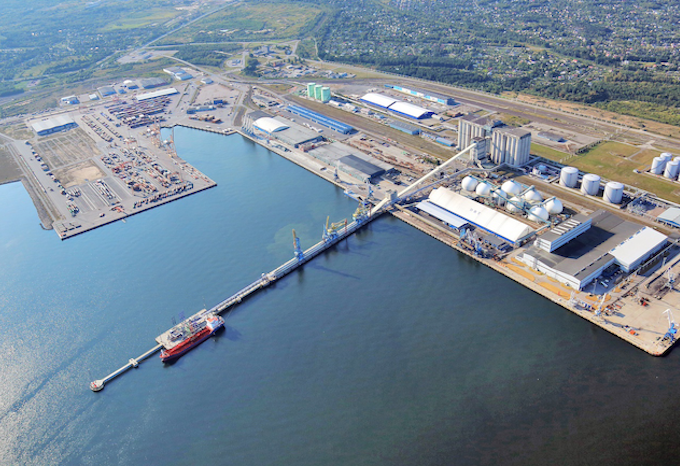
The Sopi‑Tootsi on‑shore wind project will strengthen energy independence and spur local economic growth
Read MoreFinland, Estonia to join up to protect subsea cables
Finland and Estonia on Friday have agreed to increase the security of their subsea infrastructure, which includes power and telecommunications cables as well as the Balticconnector gas pipeline that was damaged a year ago.
The agreement, announced in Helsinki on Friday, will see the two countries join forces to on things like technical surveillance, patrolling and repair capacities of subsea infrastructure in the Baltic.
It comes amid what Tallin and Helsinki say has been an increased number of threats against subsea infrastructure, and as countries around the Baltic rim are looking to expand all manner of subsea connections.
Finnish police continue to investigate cause of the Balticconnector damage, while Estonian police are looking into damage to subsea telecommunications links that occurred around the same time. Police in both countries have yet to provide their conclusions.
Read MoreEstonia’s choice Security through taxation

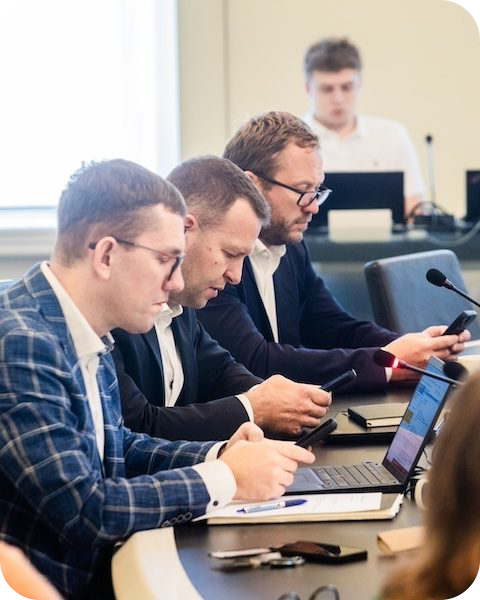
Pity the poor Estonian taxpayer. To the east, Moscow, and the spectre of invasion, looms. To the west, it is Brussels, and the threat of reprisals, should the country’s budget deficit again this year exceed 3%, the maximum amount allowed under EU rules. So, when Tallinn needed to find a way to come up with the €1.6 billion Estonia’s defence forces say they need here and now for their plan to stop any Russian invasion in its tracks, there was but one option: the double whammy of higher taxes and reduced levels of public services.
The crux of the government’s plan, announced last week, calls for VAT to be increased by two percentage points starting in July, bringing the standard rate to 22%. On top of that, starting in 2026, two percentage points will be added to personal and corporate taxes, likewise bringing the standard rates to 22% for both, while at the same time dropping the lowest corporate tax bracket, which allowed some companies to pay 14%.
Getting the budget back under the EU’s limit spells a return to form for Estonia. It has had a reputation for financial discipline since joining the bloc, but Russia’s unprovoked war on Ukraine in 2022 has been putting more money into its defence, while a recession had sapped the growth that could otherwise have paid for it.
Read more
There is good news. The economy appears to be coming out of its doldrums, and these taxes, according to the prime minister, Kristen Michal (pictured above, in plaid sport coat), are the last his government will introduce in this term, which is set to end in 2027. After that, the plan is that they will go away.
He admits that the new taxes will chafe (indeed, some businesses fret they may buckle under because of them) but, on balance, knowing what the tax regime the next two years will be is preferable the uncertainty created by what he labelled as a “festival” of proposals in recent months.
“Predictability,” he says, “breeds certainty, and certainty breeds growth.”
One thing that is not certain is whether the tax will actually go away after 2027, according to multiple members of the cabinet. The military’s plan, for example, requires another €4bn that has not been allocated, and then there are domestic considerations, such as healthcare, which in 2028 alone will need €200m more than it is getting today.
“I can confirm that it will not be possible to abolish today’s taxes,” Lauri Läänemets, the interior minister, says.
Between Russia’s rock and Brussels’ hard place, there is still plenty of room for politics. All the more reason to pity the Estonian taxpayer.